
Research in the Sianta lab is focused on the generation and maintenance of plant biodiversity. We study the ecological and genetic factors that promote and/or limit evolutionary processes, such as natural selection and gene flow, that affect adaptation and speciation. We use a combination of field and greenhouse experiments, observational studies, comparative analyses, population genomics, and phylogenomics to address the following questions:
1. How is natural selection involved in the evolution of reproductive isolation?
What are the selective agents acting in populations that mediate trait evolution underlying reproductive isolation? What are the ecological and genetic limits on natural selection? How does temporal and spatial variation in natural selection affect the diversification process?
2. What are the causes and consequences of gene flow, hybridization and introgression on diverging lineages?
When hybridization happens between lineages, what factors mediate the extent of hybridization? How does introgression vary across different scales and levels of organization (e.g., genomes, individuals, populations)?
3. What are the geographic and ecological backdrops associated with speciation in biodiversity hotspots?
Biodiversity hotspots are often associated with high levels of habitat heterogeneity, which sets the potential for speciation to occur in small, isolated populations that have adapted to new habitats. We’re interested in using phylogenomics to test the prevalence of this hypothesis.
Organismal study systems
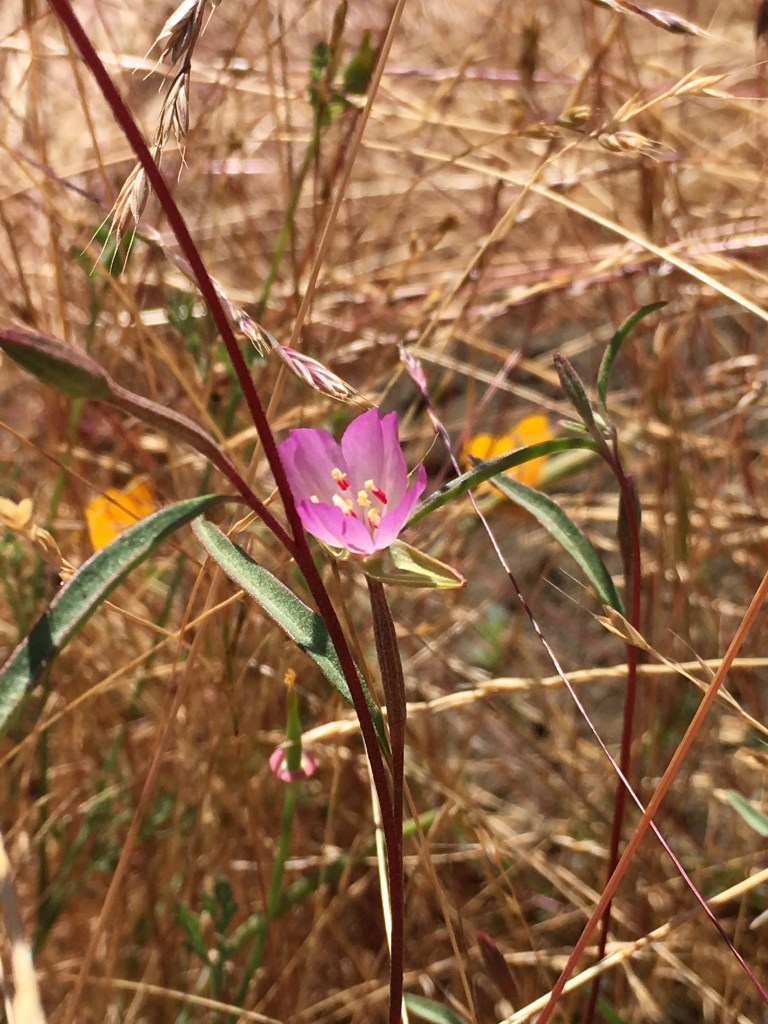
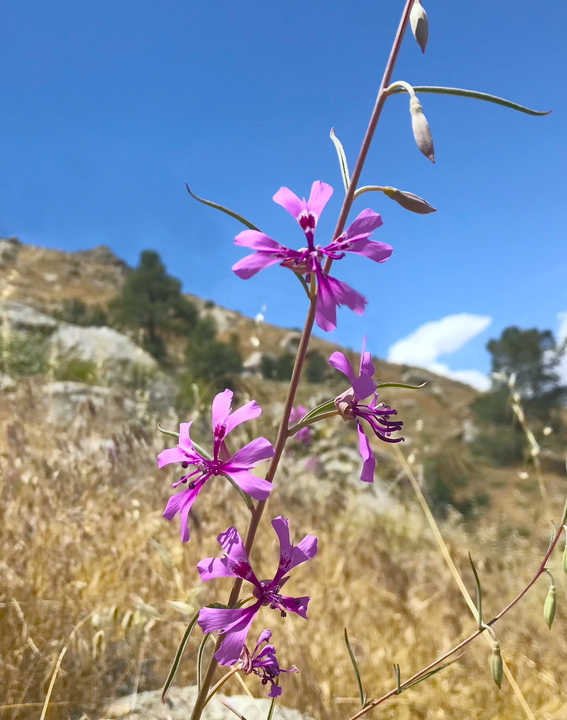
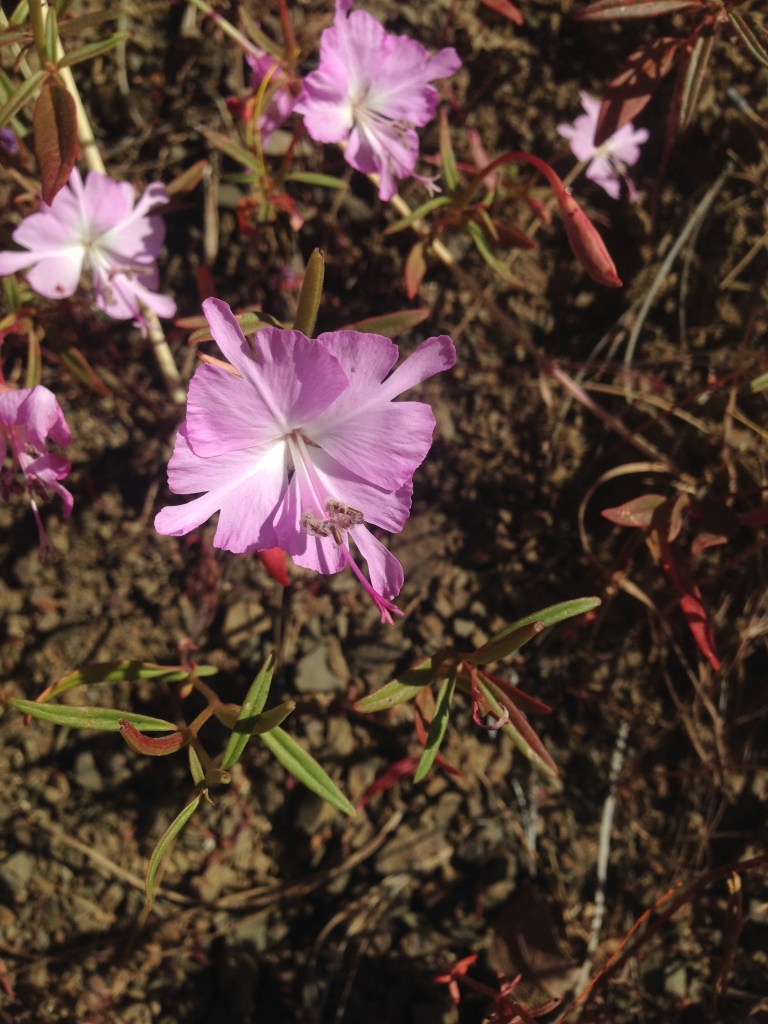
Thus far, our work has addressed these questions in one of the 35 global biodiversity hotspots – the California Floristic Province. We studied the role of edaphic divergence, in particular divergence across serpentine soils, on the evolution of reproductive isolation and budding speciation in over 25 annual species. We have tested classic hypotheses of budding speciation in a triad of Clarkia (Onagraceae) species. We have studied factors associated with hybridization and introgression in the southern Sierra Nevada wildflower, Clarkia xantiana, which is a system of incipient speciation characterized by mating system divergence and secondary contact. We have also studied how pollinator effectiveness can promote or limit specialization of plants to pollinators in Clarkia breweri and Clarkia concinna.
Research areas
Please click on the links below to check out projects in more detail!
 The Sianta Lab